



Flowers have a long history of symbolism and memory. Whether a gift from a loved one or a memento from an important event, they can preserve the essence of a person or moment. With their short lifespan, it can be sad to let them go. However, the age-old methods of drying flowers are one way to keep these memories as art in your home.
To get familiar with this process, you firstly need to be aware that some types of flowers will preserve better and differently than others. Generally, flowers with thicker petals will hold up once they have been further weakened by the drying process. Additionally, some flowers will retain their colors better than others, though this can vary further based on the method of drying used.
Flowers that will not dry well have thin petals and high water content. The thinness of the petals will often lead to them falling off and making a mess. Naturally high water content in a flower or its stem will be more likely to lead to mold. Daffodils, tulips, asters, sunflowers, dahlia and daisies are all not recommended to be dried for these reasons.
Start with completely dry flowers, stem included. Gently dab with a paper towel if needed. Remove the leaves and greenery—most will eventually turn brown and/or fall off and make a mess. Trim the stems down to the desired length for the final dried arrangement. The final aspect of preparation is to remember that this is a delicate, slow process. Patience and a light touch are the biggest prerequisites for the process of drying flowers.
There are a few main methods you can use to preserve your flowers. Some take more time and effort in return for brighter color and better shape. Generally for each of these, you want to keep your drying flowers in a low-light place with plenty of airflow. Sunlight will fade colors quickly! Whichever way that you decide to lay or bunch them, make sure that they are spread evenly to allow even drying as well.
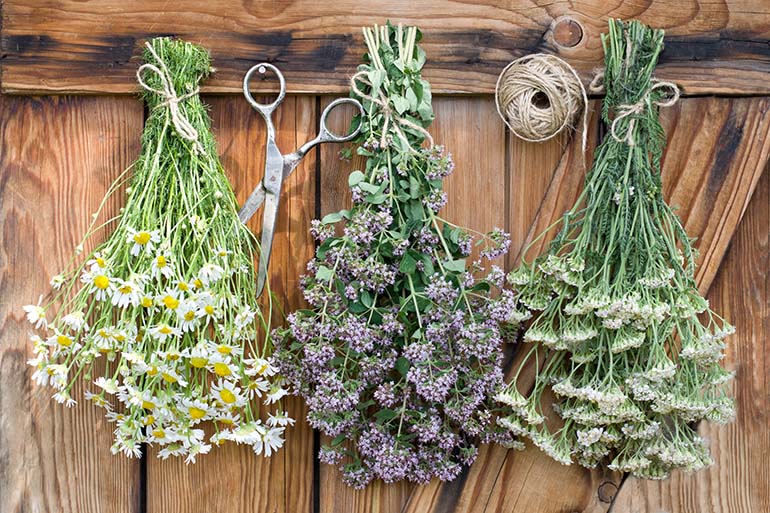
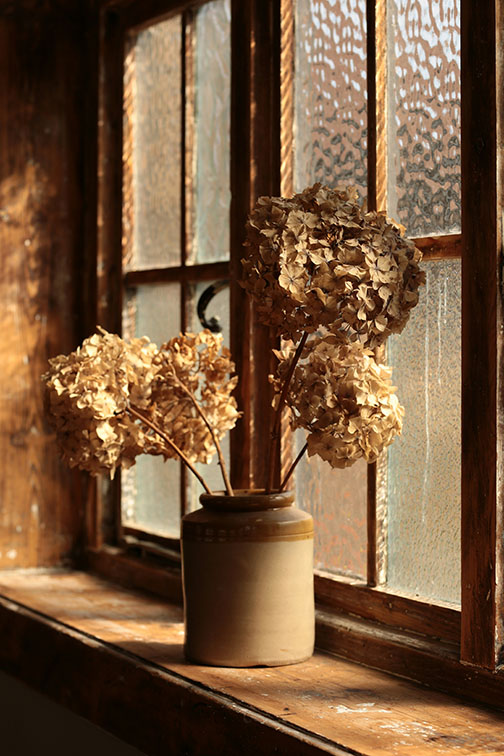
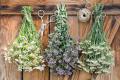
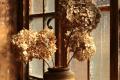
The first method is the easier, more hands-off method. In an ideal spot, you can leave the flowers in a vase, evenly spread to dry upright for about 2-4 weeks. Some prefer this method, as it captures the flowers’ natural shape as the blooms wilt downward, for a more dramatic look. Alternatively, you can tie 3-5 stems into a bundle and dry them upside down to keep the blooms up straight and tall. Flowers preserved this way are often used for permanent arrangements in vases, garland, wreaths or to be laid on a shelf as decor.
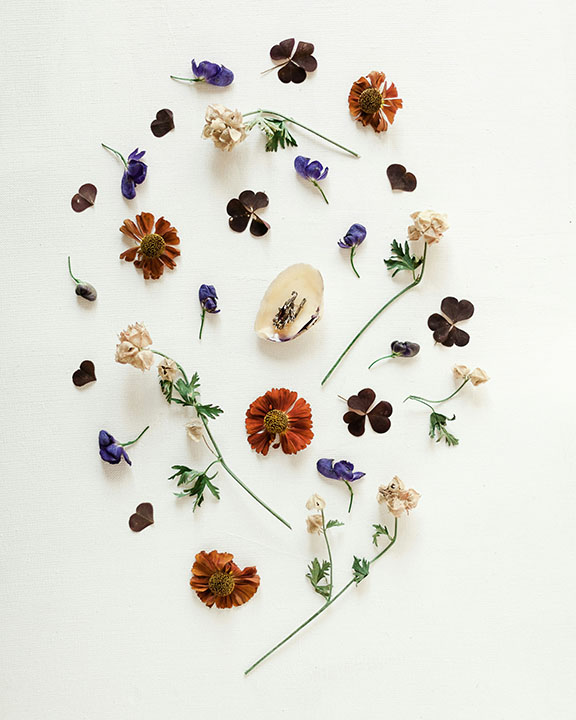
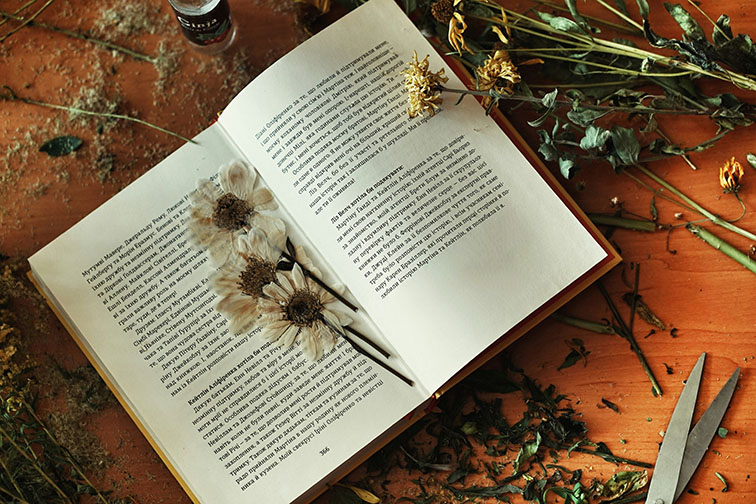
Pressing is an alternative technique, though used for 2D art or display of smaller blooms rather than larger arrangements. The tried and true method is to remove blooms from their stems, position them as desired between two layers of parchment paper, and leave them between pages of a heavy book for 2-4 weeks. This method requires a bit more effort, as you will want to check on the blooms every day. As the flowers are being pressed, they will release moisture and can mold if they are left too long without fresh parchment. Pressed flowers are often framed or crafted into bookmarks, ornaments or other 2D artwork.
Whether you are interested in trying a new artistic hobby or are looking to save some flowers from meaningful life events, hopefully this guide inspires you to try out this timeless preservation method.
